Highlights
Highlights
January
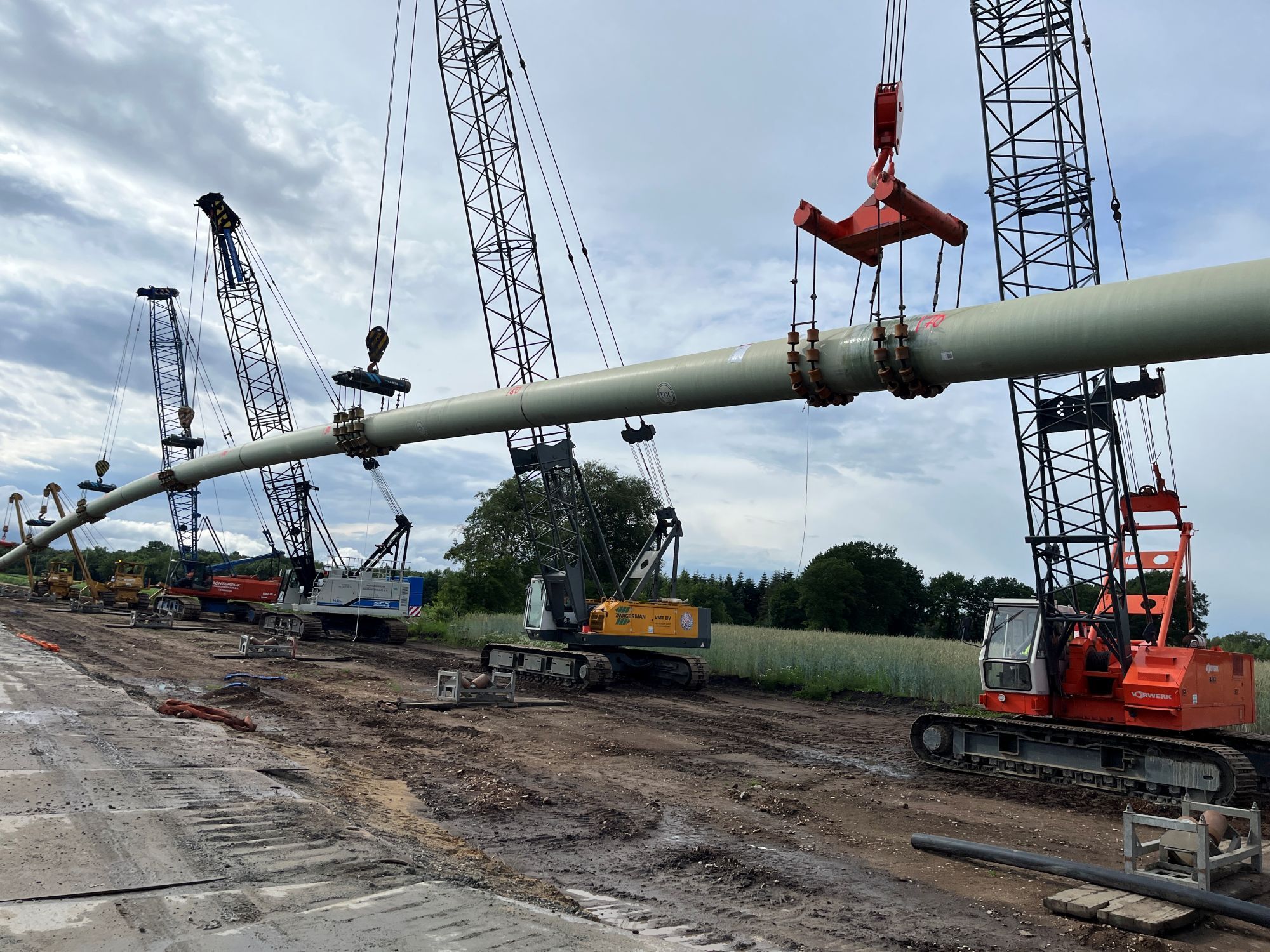
Gasunie Deutschland is making good progress with the construction of new pipelines to transport gas from Germany’s land-based terminals. Following the receipt of the final permits (Planfeststellungsbeschlüsse) for new pipeline projects late 2025 and early 2026, the new projects which support flows from terminals in Stade and Brunsbüttel, are now under construction. Both these terminals have a key role to play in the future energy security of Germany and Europe.
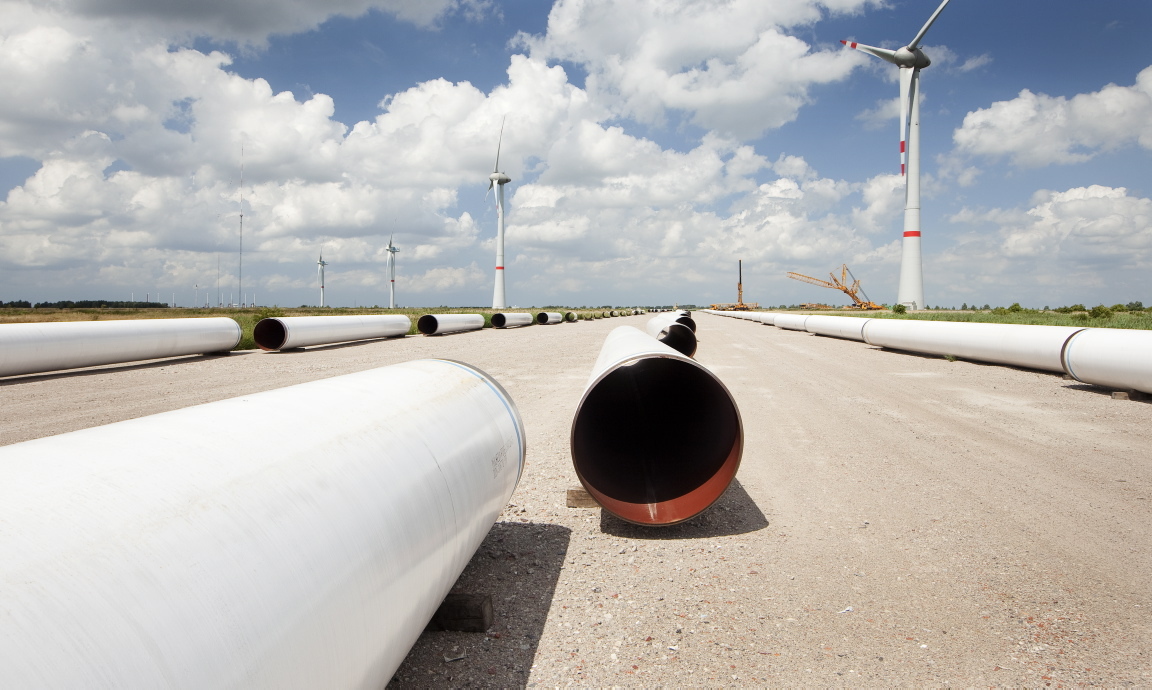
Gasunie, together with six other European network operators, publishes an expert paper on the future of Europe’s energy system, making the case for an integrated energy system. Using hydrogen to meet climate goals, while also maintaining affordability and security of supply, will require an integrated energy system that combines electricity and renewable gases. Such a system will provide a solution for industrial uses and processes that cannot be fully electrified. The North Sea has the potential to become a key component of this future energy system, with offshore wind developments coupled with hydrogen production.
February
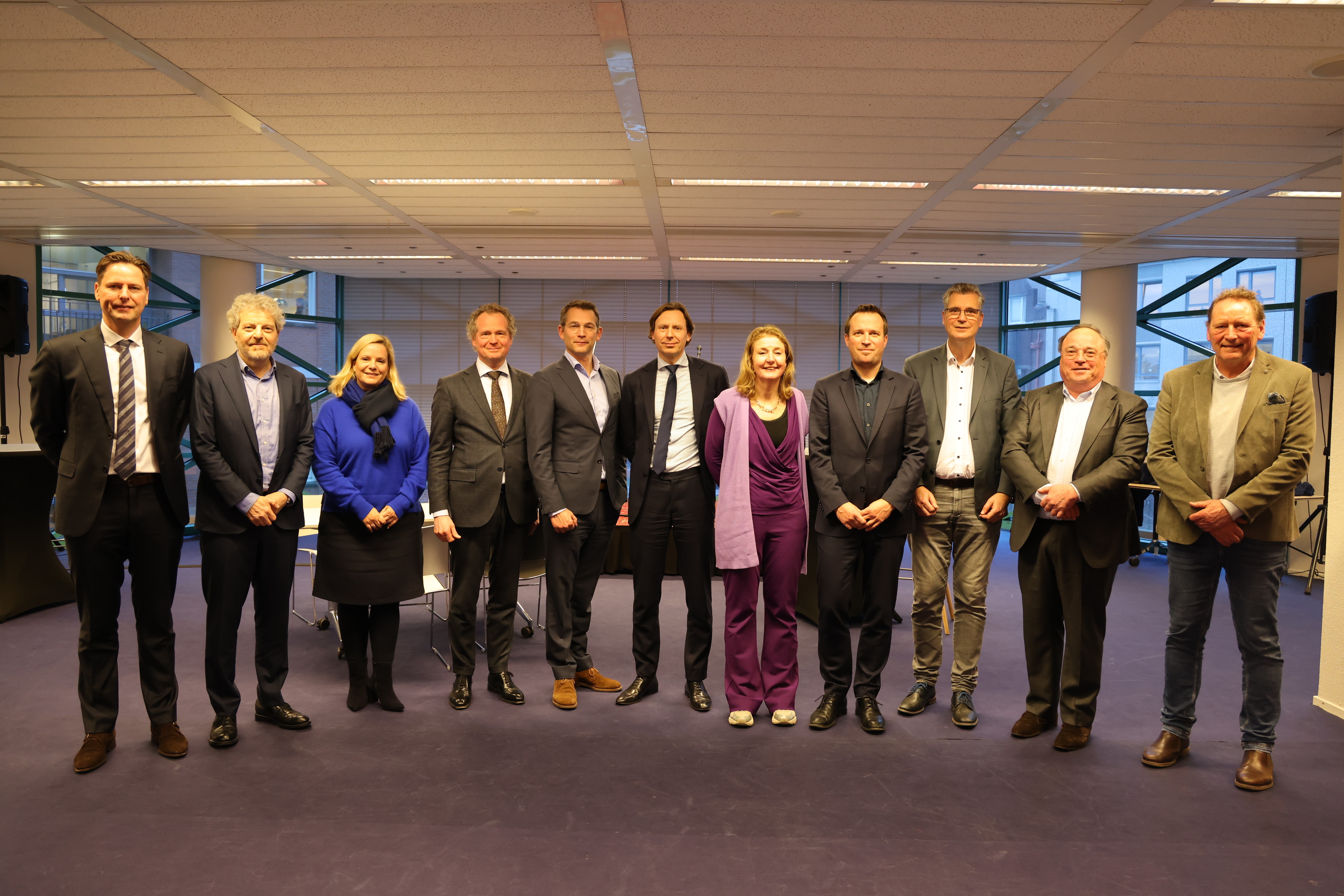
Network operators, representative organisations of network users and the Authority for Consumers & Markets (ACM) have agreed on a new regulation method for the years 2027-2031. The agreement ensures stability in the regulation of costs and tariffs for the years ahead. The ACM’s new method decision strengthens the role of network users in investment planning and gives , a subsidiary of Gasunie, a solid financial foundation to maintain reliable gas transport services and prepare the network for the energy transition, while avoiding a significant rise in transport tariffs in 2027.
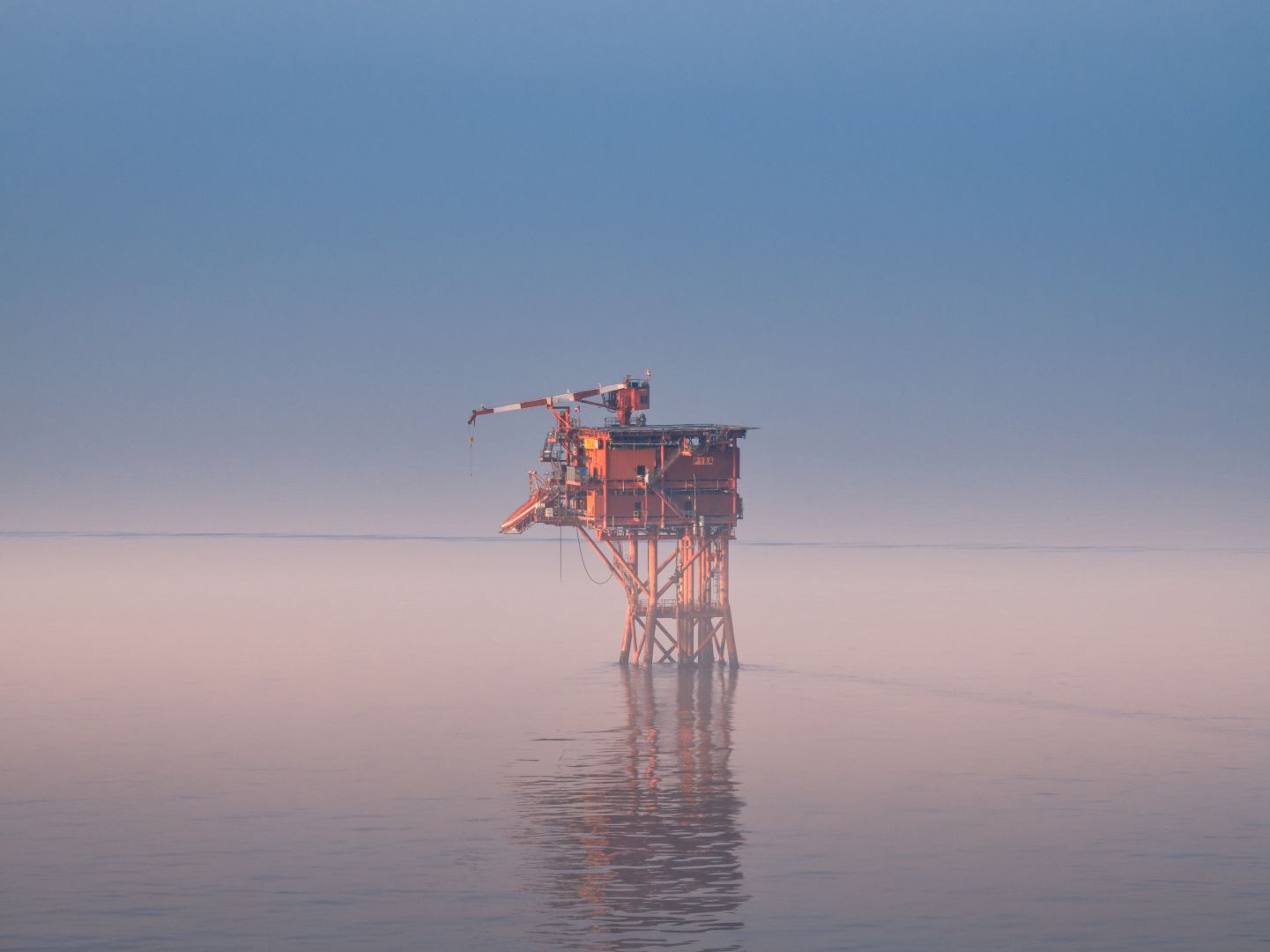
The Porthos project achieves an important milestone with the successful completion of work on the wells in the North Sea. Four former gas production wells have been converted into CO2 injection wells, while three wells have been safely closed. The underground access points are ready to store CO2 safely deep below the seabed. The wells link the P18-a platform to empty gas fields located at a depth of three to four kilometres. These developments represent a key step towards large-scale CO2 storage and continued industrial decarbonisation.
March
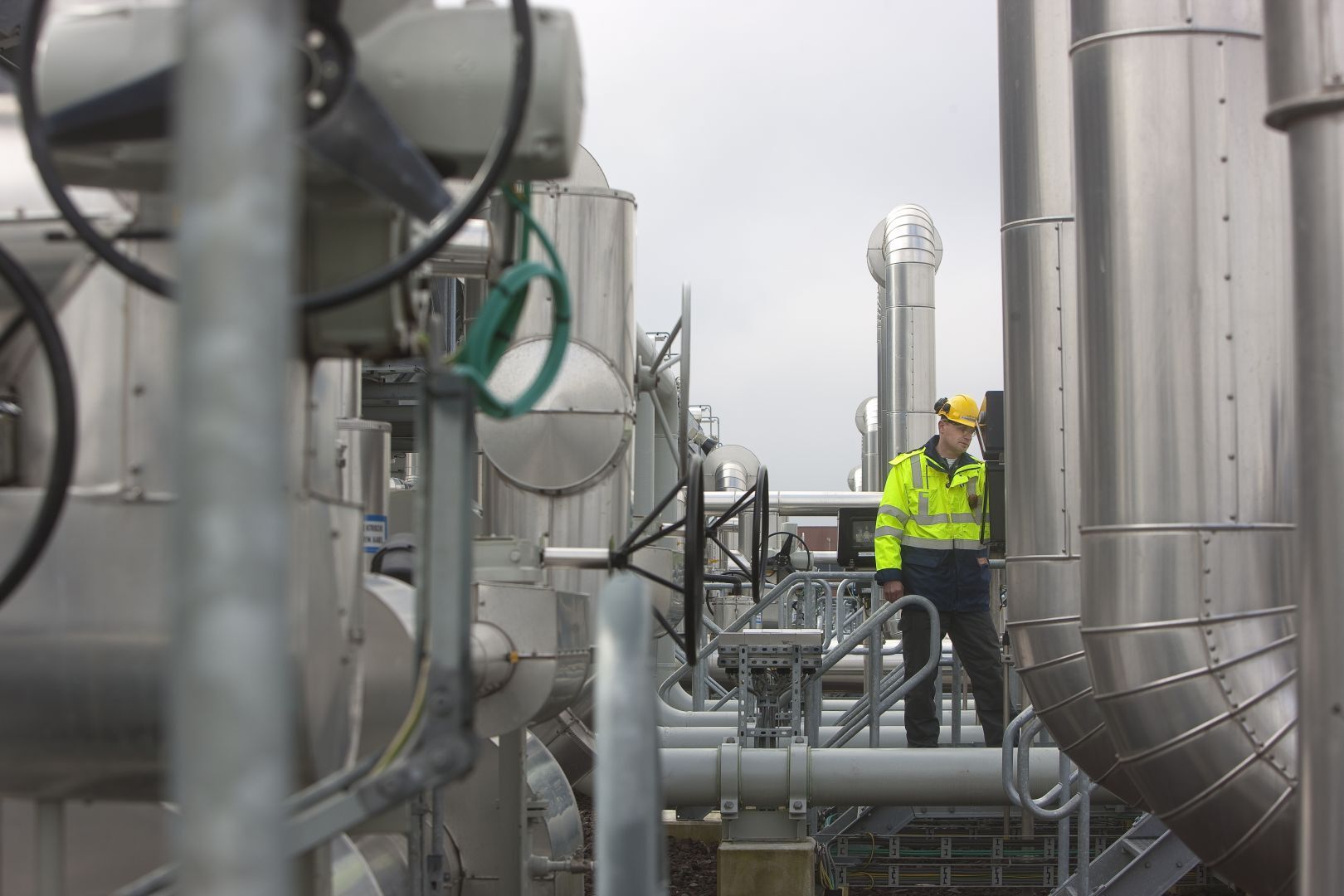
Gasunie subsidiary publishes a resilience analysis of the Dutch and European gas system in the event of prolonged disruptions to gas supply. The analysis shows that additional measures are needed to mitigate potential shortages. Keeping existing gas storage facilities operational and building up strategic reserves are crucial. The use of 'cushion gas' could create opportunities to increase supply in emergency situations. With rising import dependency and geopolitical risks, strengthening security of supply is becoming increasingly important.
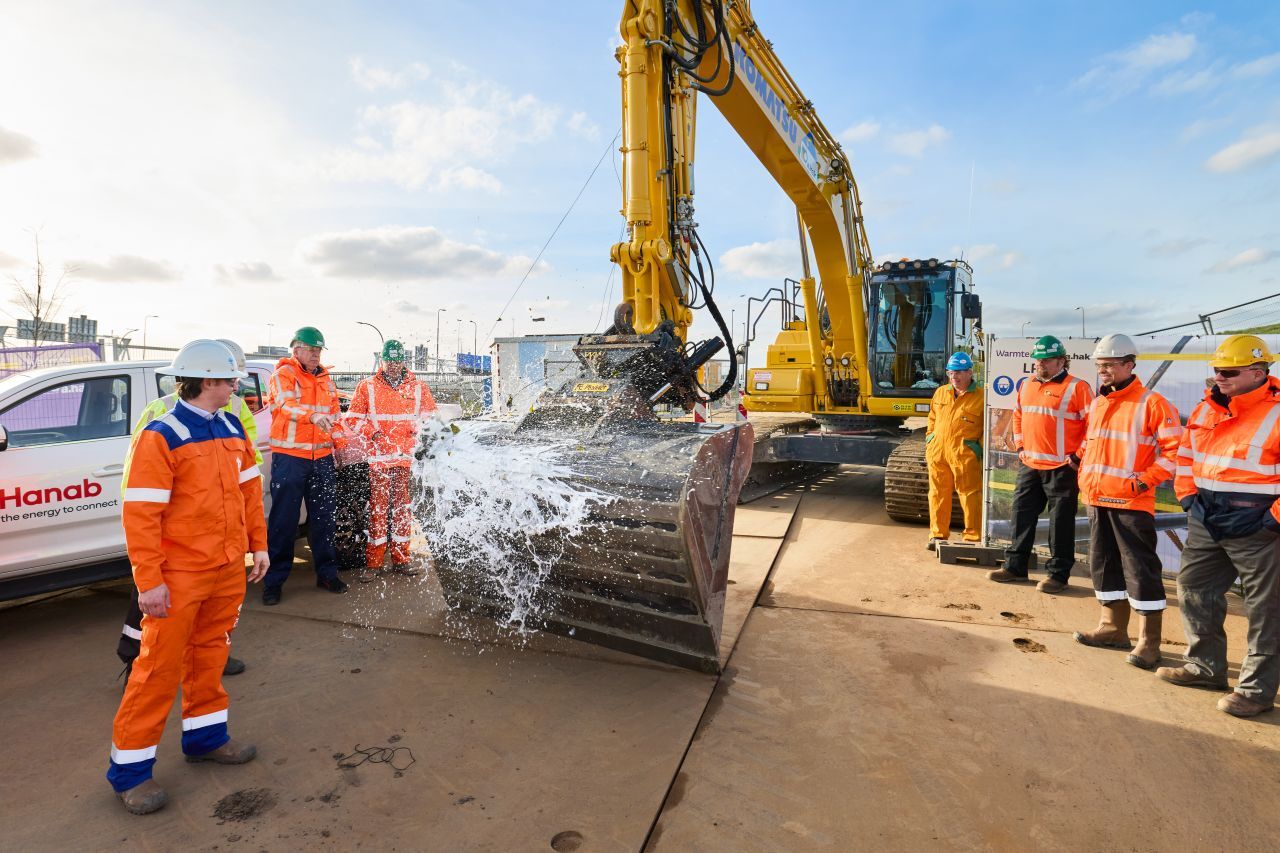
WarmtelinQ starts construction of the 25-kilometre heat network between Rijswijk and Leiden. This route will form a key part of the connection from the Port of Rotterdam to The Hague and Leiden. The construction phase will last until and including 2028. When finished, the project will enable the use of residual heat from the port to be used to heat households and businesses in the region. WarmtelinQ will thus make a tangible contribution to decarbonising the heat supply in the province of South Holland.
April
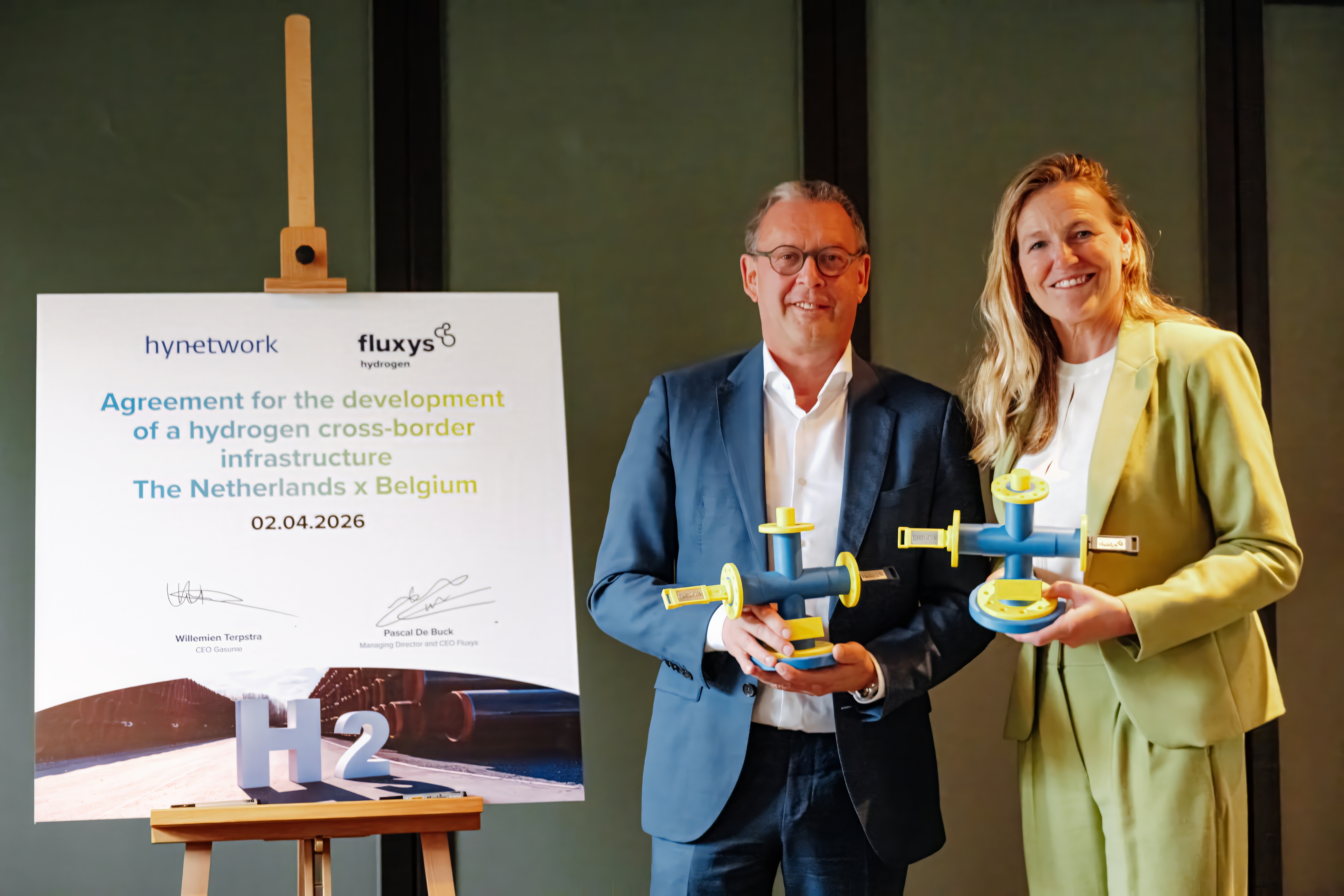
Gasunie subsidiary Hynetwork and Belgium’s Fluxys Hydrogen sign an agreement to develop a cross-border hydrogen connection between the Netherlands and Belgium. The interconnection point near Zandvliet will become the first bi-directional link between key industrial clusters and port areas, including Rotterdam, Antwerp and Ghent. This collaboration marks an important step towards an integrated north-west European hydrogen network, supporting industrial decarbonisation and strengthening energy independence. Where possible, existing natural gas pipelines will be repurposed for hydrogen transport.
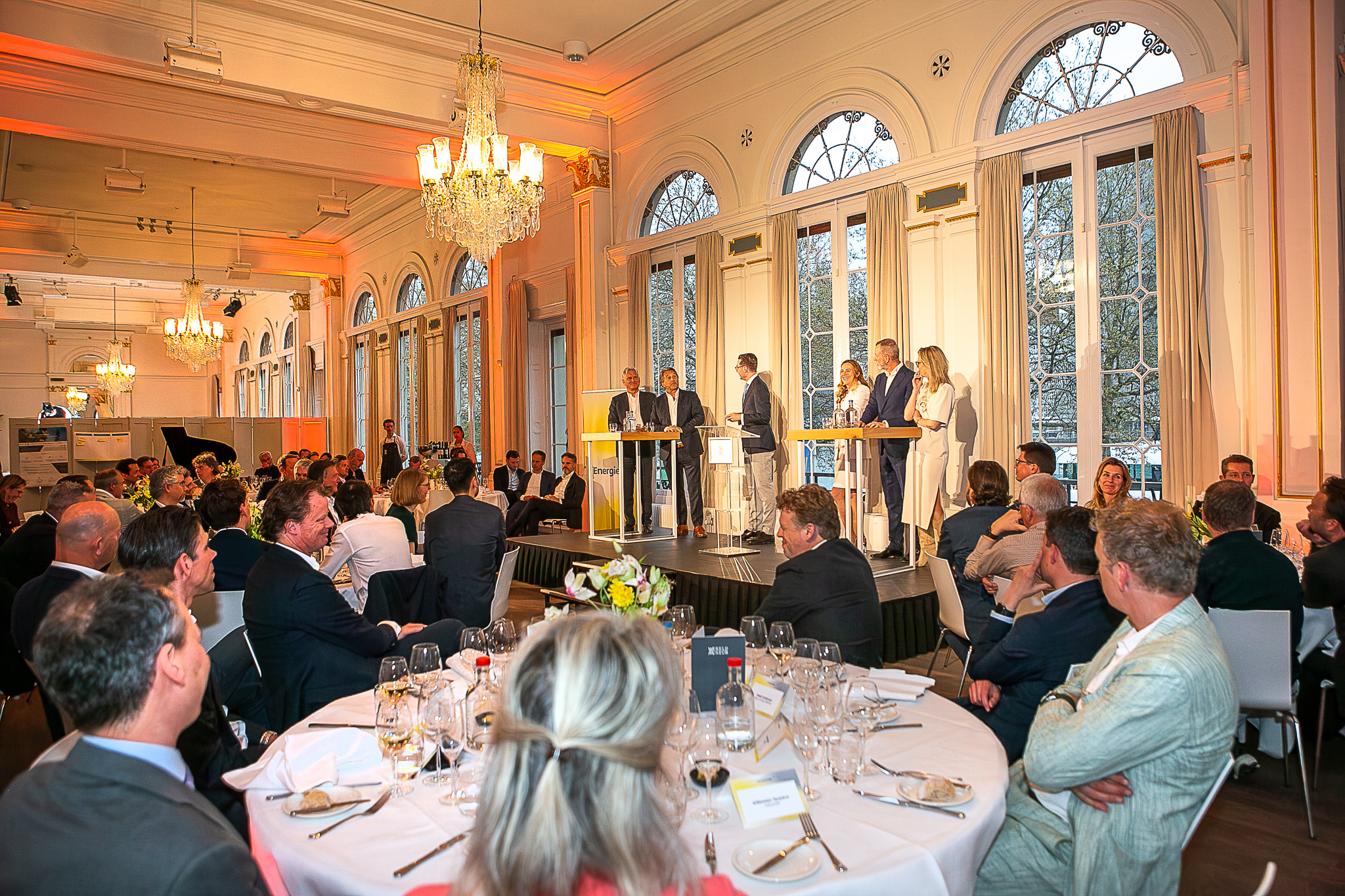
The ‘EnergieTafels’ are a series of round table sessions hosted by Gasunie and Deloitte at which experts from across the energy value chain, including industry, energy sector and finance, come together to jointly develop concrete, actionable transition initiatives designed to have an impact before 2035. The first phase, completed in April, results in several plans with committed partners and sponsors, ranging from initiatives focusing on hybrid energy solutions for households to financing power capacity and the production of green . In a second phase, the plans will be further developed.
May
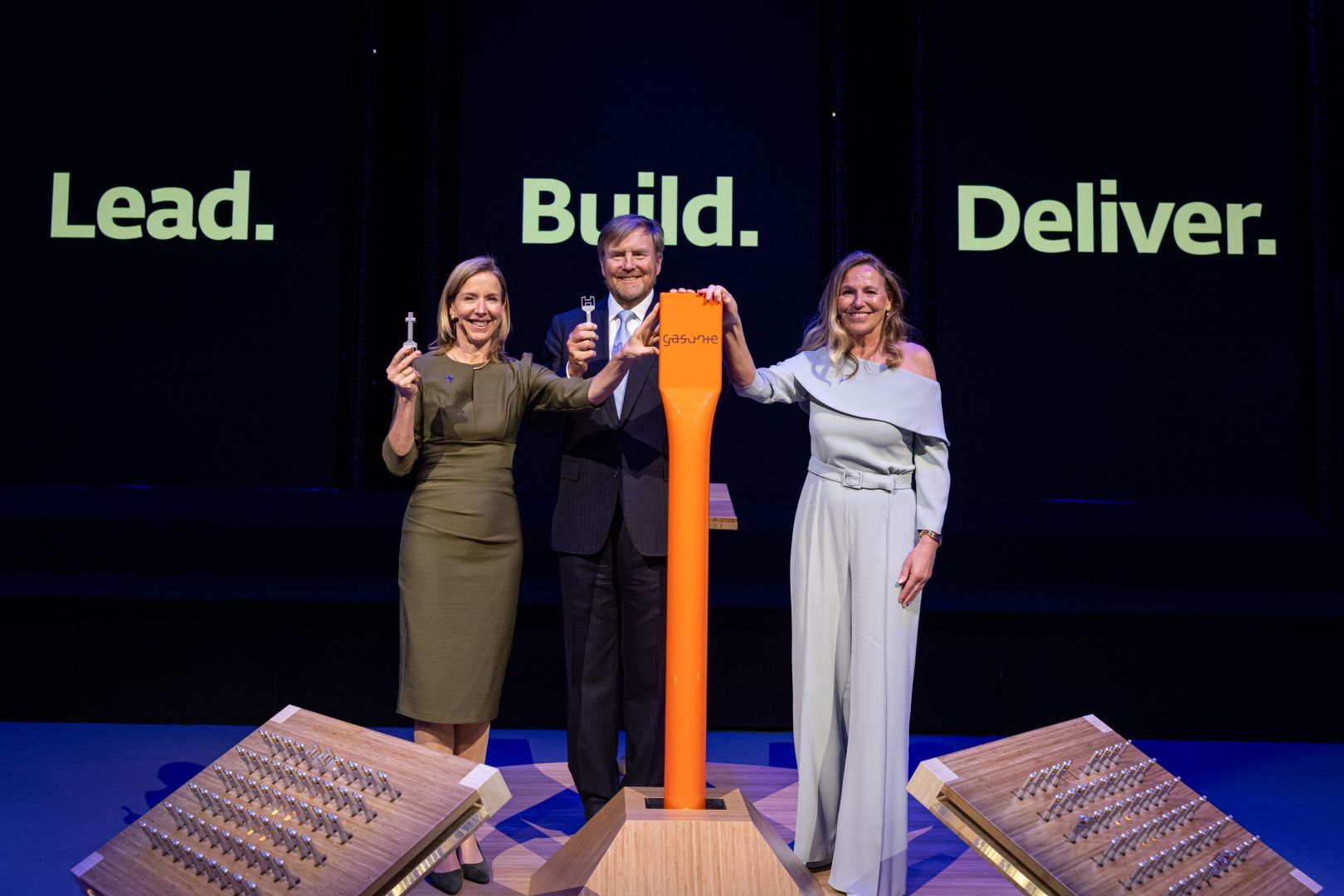
On 20 May, King Willem-Alexander symbolically inaugurates the first section of the national hydrogen network in Rotterdam, together with Minister of Climate and Green Growth Stientje van Veldhoven and Gasunie CEO Willemien Terpstra. This symbolic first step towards an integrated hydrogen network across Europe took place during the World Hydrogen Summit. This Summit focuses on the critical role of hydrogen in the energy mix of the future, highlighting the opportunities for hydrogen in use, transport and storage.
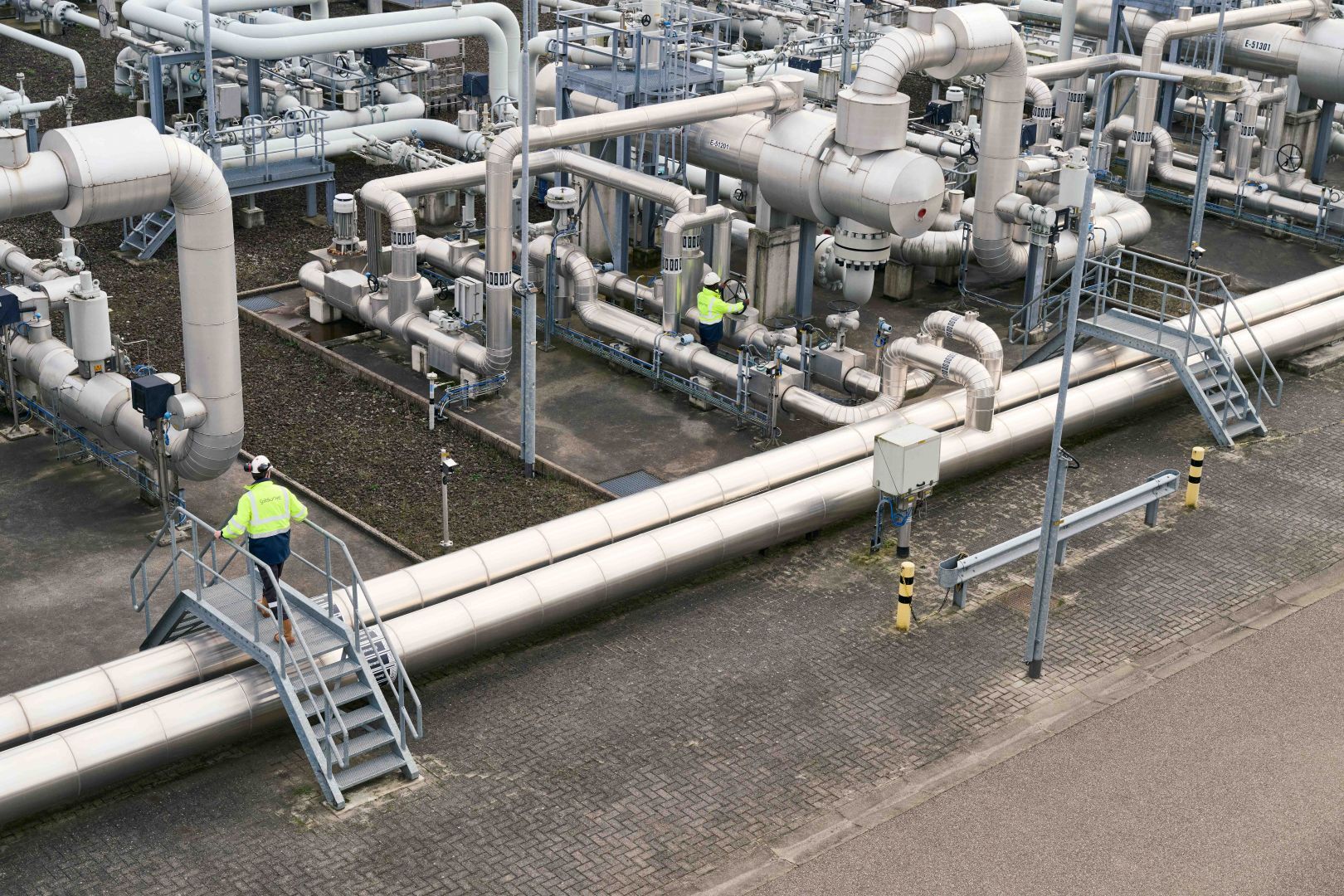
EemsGas, a joint venture between Gasunie and Perpetual Next, is awarded an SDE++ subsidy, providing stable revenues for green gas production over a period of fifteen years. The annual payment will fluctuate in line with the market prices of gas, acting as a price floor mechanism. The EemsGas plant in Delfzijl is expected to produce approximately 18 million cubic meters of green gas annually from 2029, making a significant contribution to the energy transition and energy independence.
June
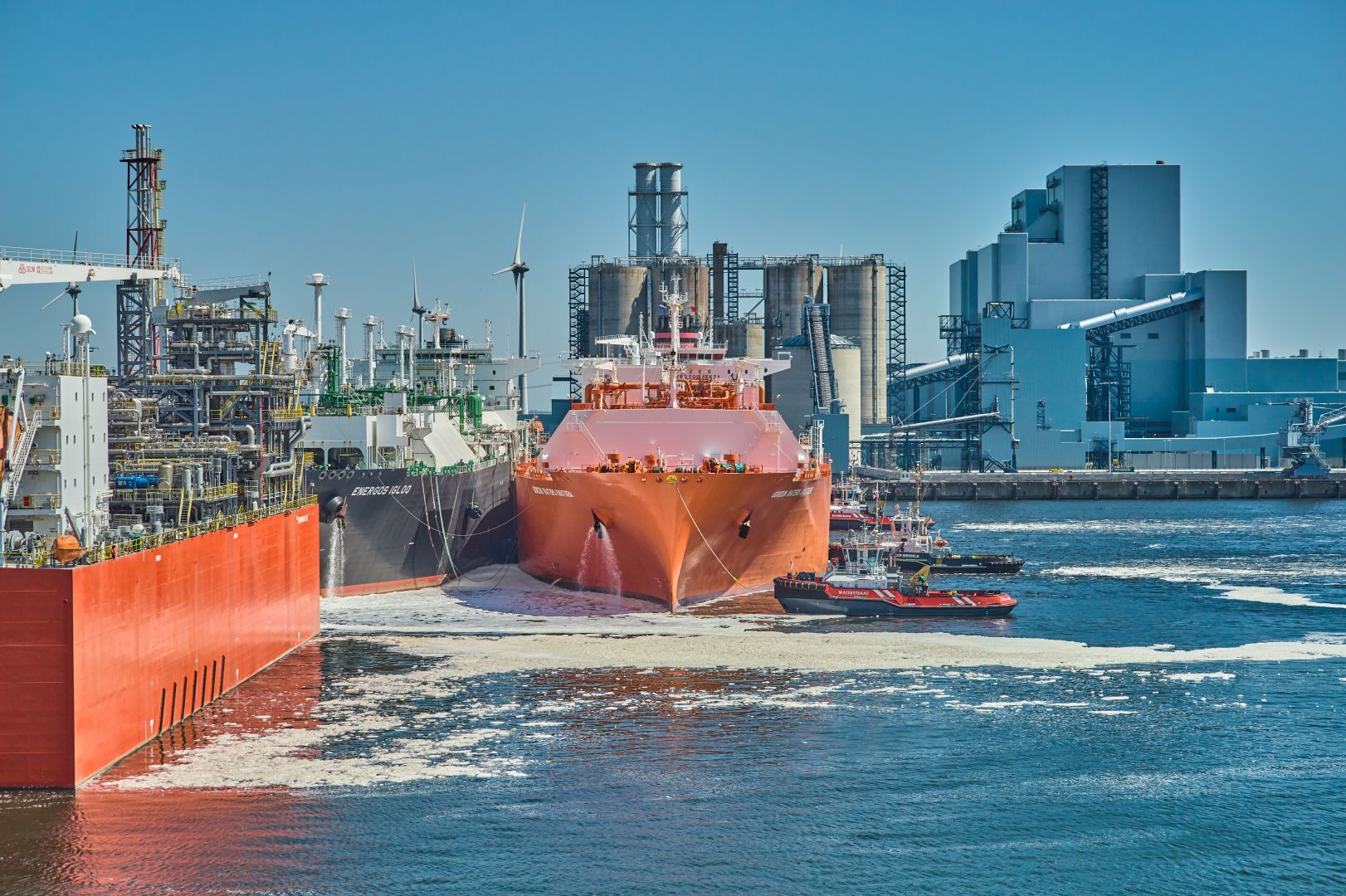
Gasunie and Vopak announced a conditional investment decision regarding the extension of operations at EemsEnergyTerminal, a terminal in the Eemshaven. The decision is based on new commercial contracts for the period 2028-2036. The extension will help maintain the robustness of energy infrastructure in the Netherlands and Europe. With a planned import capacity of 8.6 billion cubic metres per year, the terminal can meet a demand equal to about a quarter of the Netherlands' gas use.
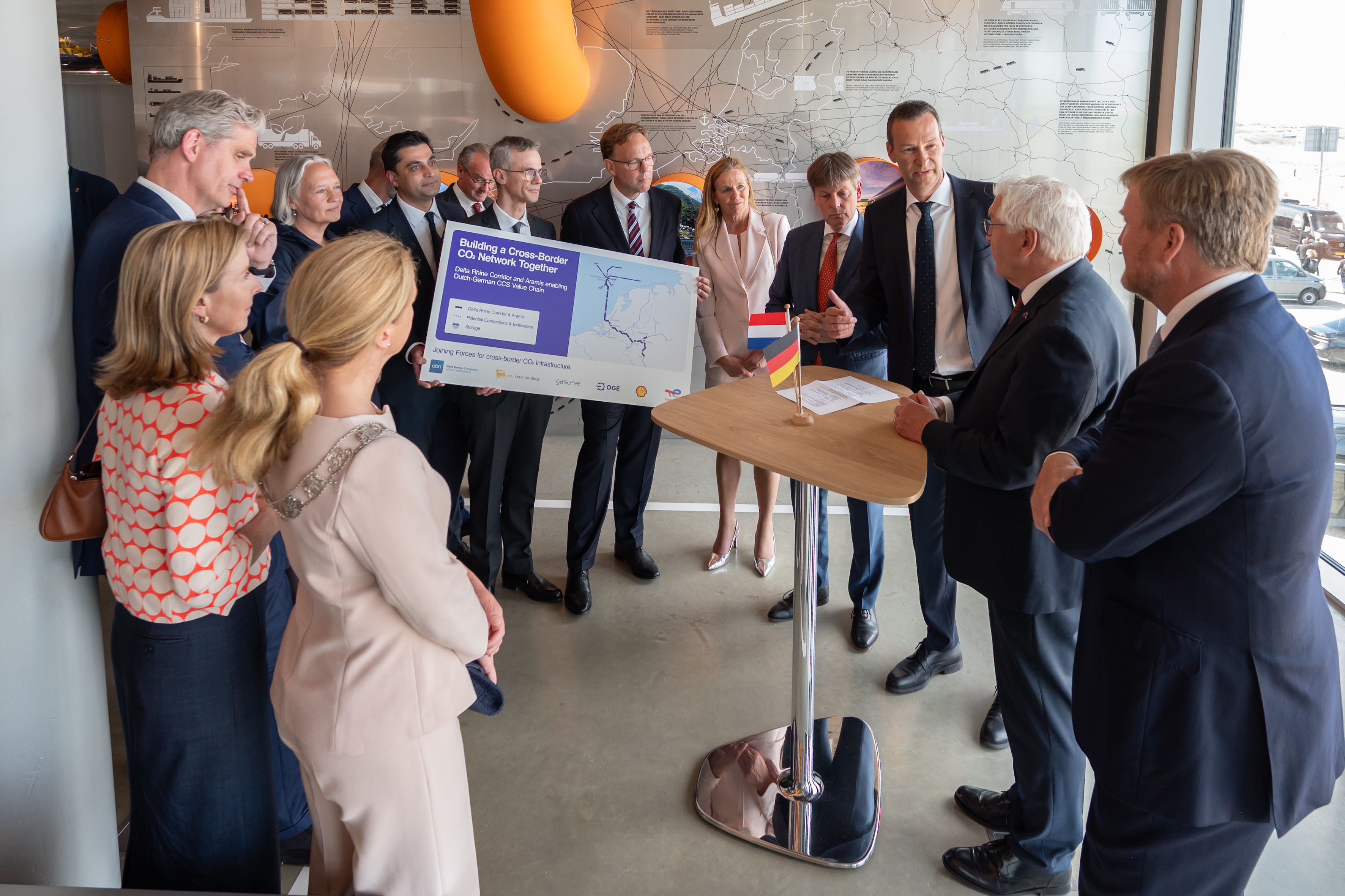
EBN, Eni, Gasunie, OGE, Shell and TotalEnergies have agreed to jointly develop a cross-border CO2 pipeline network connecting major German industrial clusters with offshore storage facilities in the Netherlands. This development is an important milestone in delivering the Delta Rhine Corridor (DRC), a project for large-scale CO2 transport and storage which is expected to be operational from 2032-2033. By linking German CO2 sources to Dutch transport and storage capacity, the project will help sustain the competitive position of Europe’s industry.